Understanding Credit Cards: How to Use Them Wisely
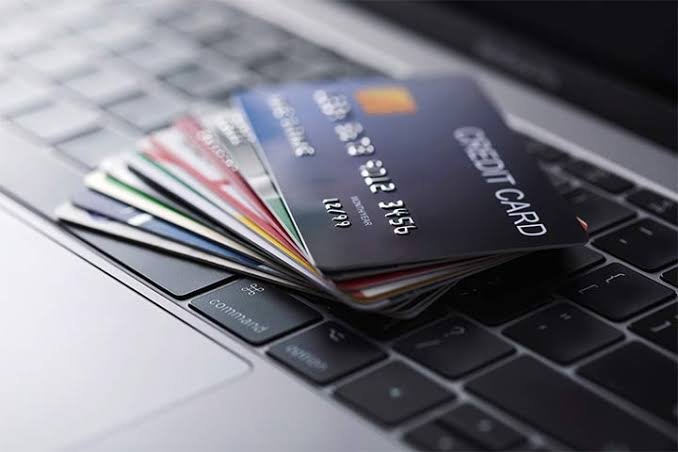
Credit cards are easy to get, easy to swipe, and sometimes too easy to misunderstand. One small purchase here, one dinner bill there, and suddenly the monthly statement looks like it gained weight overnight. That is why learning the right credit card tips matters before the card starts controlling your budget.
A credit card can be a smart financial tool when used with discipline. It can help you build credit history, manage online payments, protect purchases, and even earn value from rewards cards. But it can also become expensive very quickly if you carry a balance, miss due dates, or treat your credit limit like extra income.
Responsible credit use is not about avoiding credit cards completely. It is about knowing the rules before playing the game. Think of a credit card like a kitchen knife. Useful in careful hands, painful in careless ones.
In this guide, we will break down how credit cards work, how interest and payments affect your money, when rewards are actually worth it, and what simple habits can keep you away from debt stress. The goal is not to make you scared of credit cards. The goal is to help you use them wisely, calmly, and with a clear plan.
Quick Answer: What Is the Smartest Way to Use a Credit Card?
The smartest way to use a credit card is simple: spend only what you can repay in full, pay on time, keep your balance low, and treat rewards like a bonus, not a reason to buy things you did not plan to buy.
A credit card is not free money. It is a short-term loan in your pocket. That little plastic card can be a ladder or a banana peel. The difference is how you use it.
According to Wikipedia’s overview of credit card debt, credit card debt grows when purchases are not repaid and interest or penalties begin to build. That is the part many beginners learn late, usually after the first “why is my bill so high?” moment.
Why Responsible Credit Use Matters More Than Rewards
Rewards cards sound exciting. Cashback, points, miles, hotel nights. Lovely stuff.
But here is the uncomfortable truth: rewards are useful only if you avoid interest. If you earn 2% cashback but pay over 20% APR on a carried balance, the math is not your friend. It is wearing a nice suit, but it is still taking your lunch money.
The Federal Reserve’s April 2026 G.19 data showed revolving credit increased at a 10.4% annual rate, while seasonally adjusted revolving credit outstanding reached about $1.35 trillion. The same release listed credit card plan rates around 21.00% for all accounts and 21.52% for accounts assessed interest.
Credit Card Data
| Credit Card Indicator | Latest Public Data | Why It Matters |
| U.S. credit card debt | $1.252 trillion in Q1 2026 | Many households rely heavily on cards |
| Quarterly change | Down $25 billion from Q4 2025 | Some seasonal payoff happened |
| Annual change | Up $70 billion from Q1 2025 | Balances remain high |
| Serious delinquency flow | 7.10% in Q1 2026 | Late payments still hurt consumers |
| Credit card APR, all accounts | 21.00% in Feb 2026 | Carrying debt is expensive |
Source links: New York Fed Household Debt, Federal Reserve G.19
Credit Card Tips That Actually Help
1. Pay the Full Statement Balance
This is the golden rule. Not the “I will try” rule. The real rule.
The CFPB explains that when you carry a balance, most card companies charge interest from the billing date until payment is received. In plain English, debt starts quietly, then becomes loud.
Paying the full statement balance keeps the card useful. Paying only the minimum keeps the account alive, but it can keep your debt alive too.
2. Keep Utilization Low
Credit utilization means how much of your available limit you use. If your limit is $2,000 and your balance is $1,500, you are using 75%.
That can make lenders nervous.
A practical habit is to keep usage below 30%, and even lower if possible. Think of your limit as a safety rail, not a shopping target.
3. Set Autopay and Alerts
Missing a payment can damage your score and add fees. It is also annoying. Nobody wants a $35 lesson from a calendar mistake.
Set autopay for at least the minimum payment. Then set a reminder to manually pay the full balance before the due date. It is boring. Boring is good in personal finance.
Responsible Credit Use With Rewards Cards
Rewards cards can be excellent for disciplined users. They can also be a trap for emotional spenders.
Before choosing one, ask:
- Do I already pay my full balance every month?
- Is the annual fee worth the rewards?
- Are the rewards easy to redeem?
- Are there hidden limits, categories, or expiry rules?
- Would I buy this item without the reward?
The CFPB has warned that rewards programs may create problems when points are devalued, hidden conditions block redemption, or consumers lose rewards because of technical failures. So read the terms. Yes, they are boring. So is a seatbelt, but it works.
Mini FAQ for Better AEO and GEO Visibility
Are credit cards bad?
No. Credit cards are tools. Bad habits make them expensive.
Should beginners use rewards cards?
Only after learning responsible credit use. A simple no-fee card may be better at first.
What is the best credit card rule?
Never charge more than you can repay in full by the due date.
Do rewards cards build credit?
The card can help build credit if payments are on time and balances stay low. The rewards themselves do not build credit.
Use the Card, Do Not Let It Use You
Credit cards can help with convenience, fraud protection, credit history, and rewards. But the win comes from control. The best credit card tips are boring on purpose: pay on time, pay in full, keep balances low, and choose rewards cards only after you understand the costs.
For FinanceCareerly readers, the bigger lesson is this: smart money habits are not about looking rich. They are about staying free, flexible, and calm when the bill arrives.